
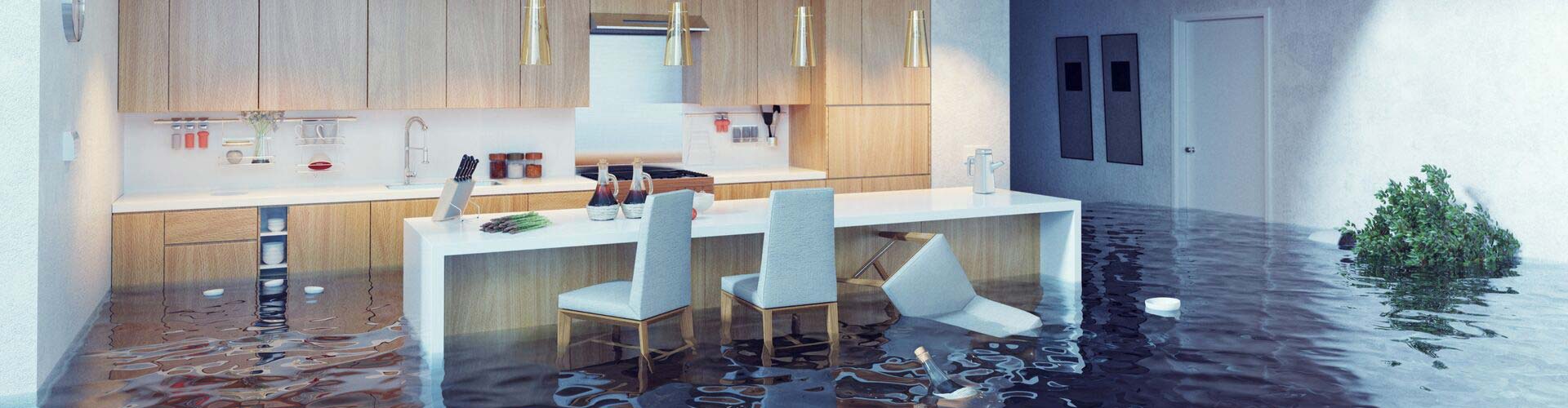

The storm has passed, the winds have calmed, and now you're facing the aftermath. You return to your Doral home to find inches or feet of water where your living room used to be. The carpet is soaked, drywall is stained, and that musty smell is already starting. Your heart sinks. I've seen this exact scene hundreds of times across Doral Isles, The Roads, and every neighborhood in our city over 15 hurricane seasons.
Here's what you need to know right now: flood recovery is a marathon, not a sprint. But how you start determines how you finish. The decisions you make in the first 24-48 hours will impact your home's recovery, your insurance claim, and whether you're dealing with mold for months to come. Take a deep breath. I'm going to walk you through the complete restoration process, step-by-step, just like I would if you called our emergency line right now at (305) 501-4636.
Step 1: Safety First – Re-Entering Your Flooded Home
Before you even think about cleanup, think safety. Flood water is often contaminated with sewage, chemicals, and debris.
- Wait for Official Clearance: Don't return home until local authorities say it's safe. Downed power lines and structural damage are invisible killers.
- Turn Off Utilities: If you can do so safely, turn off electricity, gas, and water at the main switches/valves before entering. If the electrical panel is wet or in standing water, call the utility company—don't touch it.
- Wear Protective Gear: If you must enter, wear rubber boots, gloves, goggles, and an N95 mask. Assume all floodwater is contaminated.
- Document Before Disturbing: Take extensive photos and video of all damage before you move anything. This is critical for your insurance claim. Get wide shots of each room and close-ups of damaged items and water lines on walls.
- Check for Structural Damage: Look for cracks in foundations, walls, or ceilings. Sagging floors or roofs mean get out and call professionals immediately.
Why Flood Damage in Doral Presents Unique Challenges
In our experience, flooding here isn't like other places. Our limestone bedrock doesn't allow for natural drainage water spreads laterally. A home in Doral Central might flood not from its own yard, but from water traveling underground from a neighbor's property. Combine that with:
- High Groundwater Tables: After heavy rains, the water table rises, causing water to push up through slab foundations and drain tiles.
- Storm Surge vs. Rainfall Flooding: Different insurance policies cover these differently. Know what you're dealing with.
- Humidity & Mold Acceleration: Our climate means mold growth begins within 24-48 hours on wet materials. You're racing against the clock.
This is why professional equipment and expertise are non-negotiable for Doral flood recovery. Household fans won't cut it.
Step 2: The Insurance Conversation You Need to Have
This is crucial and often misunderstood: Most standard homeowners policies DO NOT cover flood damage. They cover wind damage (roof, windows) but not water that comes from the ground up.
✔ Typically COVERED by Homeowners Insurance
- Wind damage to roof, siding, windows
- Water damage from wind-driven rain through openings
- Falling trees or debris damage
- Power surge damage to electronics
✘ Typically NOT COVERED (Need Flood Insurance)
- Storm surge flooding
- Groundwater rising into home
- Overflow of bodies of water
- Sewer or drain backup (unless added rider)
Action Steps: 1) Call your insurance company immediately to start a claim. 2) Ask specifically if you have flood coverage. 3) Take photos of EVERYTHING before cleanup. 4) Keep receipts for any temporary repairs. 5) Don't throw away damaged items until an adjuster has seen them.
We work directly with all major insurance companies and can help you navigate this complex process. It's part of our service when you hire us.
Step 3: The Professional Flood Restoration Timeline
When you call us at (305) 501-4636, here's the battle-tested process we follow for Doral homes:
- Emergency Response (Hours 0-24): We're on site ASAP to assess safety, document damage, and begin emergency water extraction with truck-mounted pumps and industrial extractors.
- Water Extraction & Demolition (Days 1-3): Remove all standing water. Remove unsalvageable materials like saturated drywall, insulation, and carpet/padding. This prevents mold growth and allows structural drying.
- Structural Drying (Days 3-10): This is where Doral's humidity makes things tricky. We set up industrial dehumidifiers (LGR models that work in high humidity) and high-velocity air movers. We monitor moisture content daily until walls, subfloors, and framing meet Florida dry standards.
- Cleaning & Sanitizing (Days 5-12): All remaining surfaces are professionally cleaned and treated with EPA-registered antimicrobials to prevent mold and bacteria growth.
- Reconstruction (Weeks 2-8+): Once everything is dry and clean, we rebuild: New drywall, flooring, trim, painting—restoring your home to pre-storm condition.
Total Timeline: For moderate flooding, 2-4 weeks. For severe flooding with reconstruction, 6-12 weeks. The faster we start, the shorter the timeline.
Step 4: Smart Actions While Waiting for Professional Help
If it's safe and you're able, here's what actually helps before we arrive:
- Remove Valuables & Contents: Get important documents, electronics, photos, and small furniture to dry ground. The less in the water, the less to clean/replace.
- Promote Airflow: If electricity is safe and dry, turn on AC to lower humidity. Open windows if outside humidity is lower than inside.
- Remove Saturated Rugs: If area rugs are soaked, get them outside to prevent further floor damage (but don't damage them in the process).
- Prop Up Furniture: Place aluminum foil or wood blocks under furniture legs on wet carpet to prevent staining and rust.
- Punch Drain Holes: If baseboards are holding water against walls, carefully punch small drainage holes at floor level to let water out (mark these for repair later).
- Continue Documentation: Keep taking photos as you work, and start a detailed list of damaged items with approximate values.
What NOT to do: Don't use household vacuums on water (electrocution risk). Don't peel up installed carpet—you could damage the floor underneath. Don't turn on electronics until they're professionally checked. Don't enter rooms with sagging ceilings.
Step 5: The Mold Prevention Imperative in Doral's Climate
Here's the harsh reality: If wet materials aren't completely dry within 48 hours in Doral, mold is growing. It's not a question of "if" but "how much."
- Materials That Must Be Removed: Wet insulation, carpet padding, particle board, and drywall more than 2 feet up from the floor. These can't be properly dried and will mold.
- Materials That Can Be Saved: Solid wood framing, concrete, tile, and hardwood floors (if dried properly and quickly).
- The Professional Difference: We use moisture meters and thermal cameras to find hidden moisture you'd never detect. We dry until wood moisture content is below 16%—the threshold for mold growth.
- Post-Remediation Verification: We don't guess. We test to confirm mold levels have returned to normal before reconstruction begins.
Skipping professional drying to save money almost always costs more in the long run when you have to pay for mold remediation PLUS the original repairs.
Step 6: Long-Term Recovery & Preparing for Next Season
Once your home is restored, let's make it more resilient. Based on 15 years in Doral, here are the most effective upgrades:
- Flood-Resistant Materials: When replacing drywall, use mold-resistant drywall (paperless or treated) at least 4 feet up from the floor. Consider tile or luxury vinyl plank flooring instead of carpet in flood-prone areas.
- Improved Drainage: Ensure gutters are clean and downspouts extend at least 5 feet from your foundation. Grade soil away from your home.
- Backflow Prevention: Install sewer backflow valves to prevent sewage from entering during heavy rains when municipal systems are overwhelmed.
- Electrical Safety: Raise electrical outlets, switches, and circuit breakers at least 12 inches above potential flood level.
- Flood Vents: For homes with crawl spaces or certain foundations, properly installed flood vents allow water to flow through rather than pushing walls in.
- Document & Inventory: Create a home inventory with photos/video of all rooms and valuables. Store it digitally (cloud) and physically (safe deposit box).
Your Flood Recovery Action Plan & When to Call Us
I know this feels overwhelming. You're dealing with the emotional toll of seeing your home damaged while navigating insurance and contractors. But having a clear plan reduces the stress.
Here's your immediate action checklist:
- Ensure safety first. Don't re-enter until it's safe. Turn off utilities if possible.
- Document everything with photos/video before touching anything.
- Call your insurance company to start the claims process.
- Call us at (305) 501-4636 for emergency water extraction. Time is your enemy with mold growth.
- Remove valuables and promote airflow while waiting for professionals.
- Work with your adjuster and our team to create a comprehensive restoration plan.
We've been helping Doral families through hurricane recovery for 15 years. We know the local challenges, we work with all insurance companies, and we're committed to restoring not just your home, but your peace of mind. The road to recovery starts with that first call.
Dealing With Flood Damage Right Now?
Don't wait for mold to set in. Our emergency flood restoration teams are deployed throughout Doral with industrial equipment to start saving your home immediately.
Call Our 24/7 Flood Emergency Line: (305) 501-4636