
That musty smell hits you every time you walk into the laundry room. Or maybe you've been waking up with a stuffy nose and itchy eyes for weeks, blaming it on "South Florida allergies." Here's what I've learned after 15 years crawling through attics and crawl spaces in Doral Isles, The Roads, and across our city: mold is the silent guest in way too many Doral homes.
Our climate is a mold paradise constant warmth and humidity create the perfect breeding ground. The scary part? It often grows where you can't see it. Behind walls, under floors, in your AC system. By the time you see those black spots on the ceiling, there's usually a much bigger problem hidden from view. Let me walk you through what to look for, what it means for your health, and when it's time to call us at (305) 501-4636 for professional help.
The Visual Tell-Tale Signs: What Mold Actually Looks Like
Mold isn't always dramatic black splotches. It comes in many colors and textures. Here's what we commonly find in Doral homes:
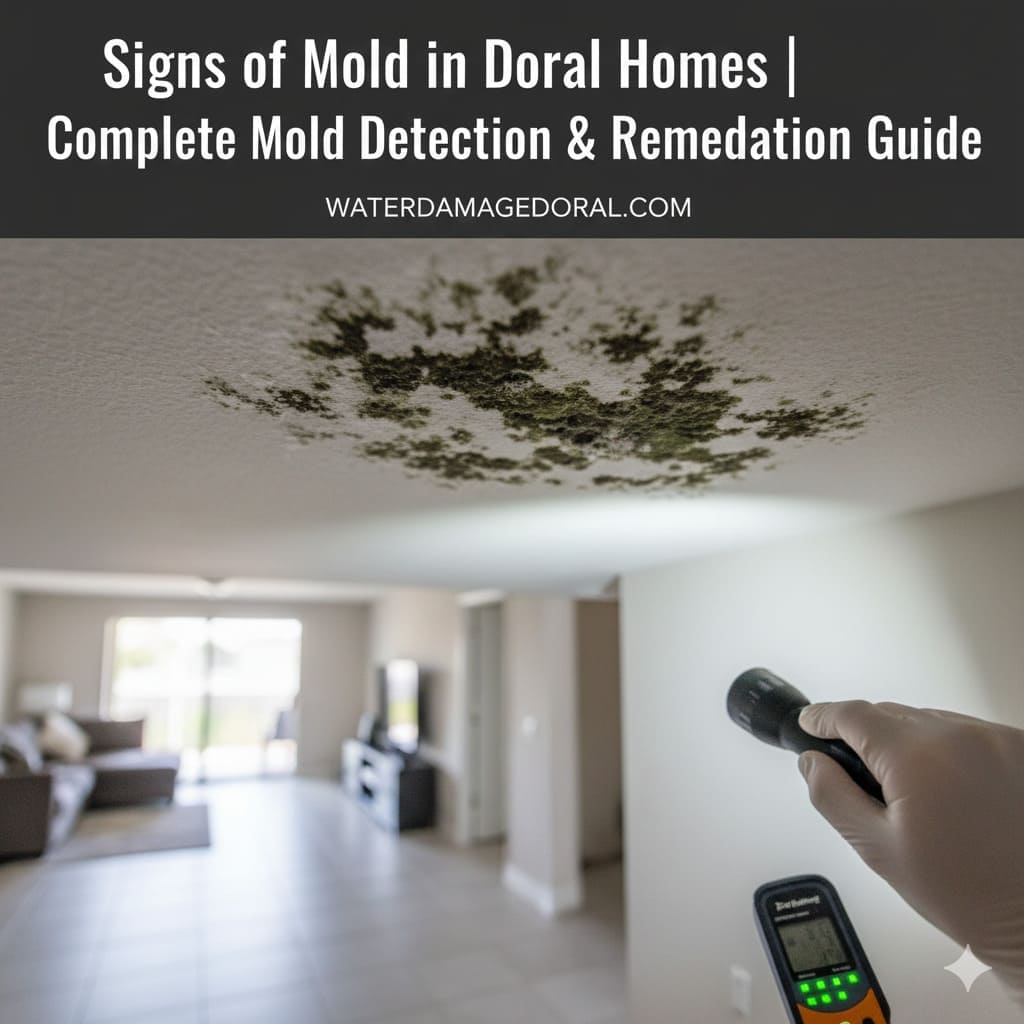
- Black or Greenish-Black Spots: Often Stachybotrys (toxic black mold) or Aspergillus. Look in corners, on ceilings, and around windows where condensation forms.
- White, Thread-Like Growth: Can look like fuzzy cobwebs. Common on damp wood, drywall, and in crawl spaces.
- Orange or Pink Film: Often found on shower curtains, toilet bowls, and silicone caulking in bathrooms.
- Green or Gray Patches: Common on damp drywall, insulation, and cardboard boxes stored in humid garages.
- Water Stains & Discoloration: Even if you don't see mold, yellow or brown water stains on ceilings or walls almost always mean there was moisture—and where there's been moisture in Doral, there's likely mold.
- Peeling Paint or Wallpaper: Moisture underneath causes adhesion failure. If it's bubbling or peeling, investigate further.
Key areas to check weekly: Under kitchen and bathroom sinks, around toilet bases, window sills, AC drip pans, and in the back of closets on exterior walls.
The Hidden Signs: When You Can't See It But Know It's There
In our experience, the most dangerous mold is the mold you don't see. Here are the subtle clues that should make you suspicious:
- The Persistent Musty, Earthy Smell: This is the #1 sign of hidden mold. If a room smells damp or like wet socks especially after rain or when the AC kicks on—trust your nose.
- Increased Allergy or Asthma Symptoms: Worsening sneezing, coughing, itchy eyes, or skin rashes when you're at home that improve when you leave.
- Condensation Problems: Windows that constantly fog up or have water beads indicate high indoor humidity (above 60%), which feeds mold growth.
- Worsening Respiratory Issues: New or worsening shortness of breath, sinus infections, or persistent coughs can be mold-related.
Why Mold is a Constant Battle in Doral Homes
Our city has a triple threat when it comes to mold:
- High Year-Round Humidity: We average 75%+ humidity. Mold spores are always present in the air; they just need moisture to grow. A small, unnoticed leak behind your fridge can create a mold colony in days.
- Architectural Vulnerabilities: Many Doral homes have stucco exteriors. If not properly sealed, stucco can wick moisture into wall cavities. Our slab foundations can trap moisture underneath if the vapor barrier is compromised.
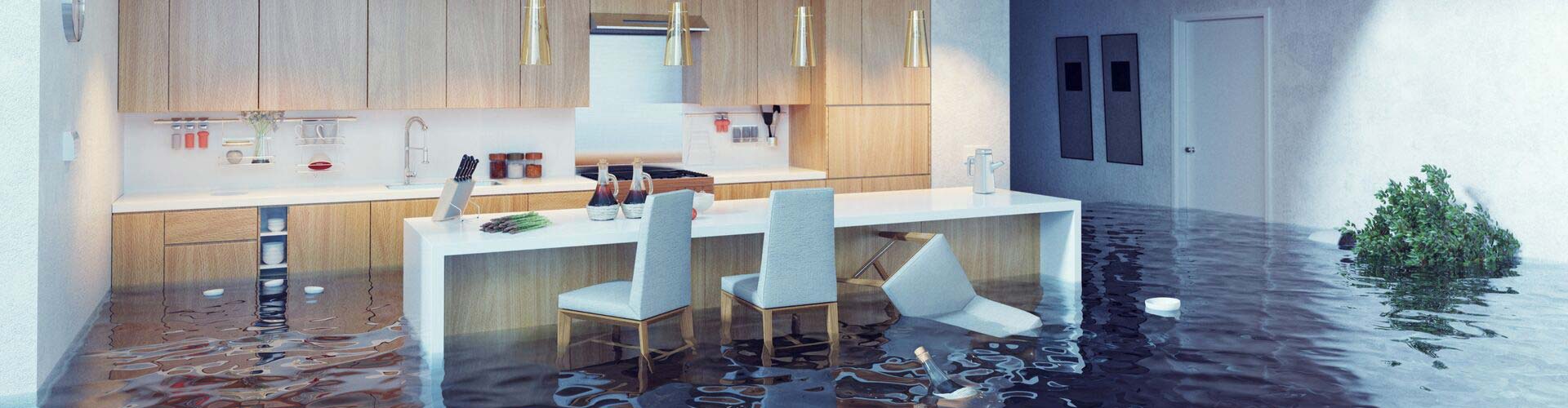
- Storm & Flood Aftermath: Even minor flooding from our summer storms can soak carpets and drywall. If not dried completely and quickly (within 24-48 hours), mold is almost guaranteed.
- AC Systems as Mold Factories: Your AC is your best friend and worst enemy. The evaporator coils and drip pans are dark, wet environments. If the drain line clogs (a frequent issue), you've got standing water perfect for mold growth that then gets blown throughout your home.
Health Risks: This Isn't Just About Your Home's Appearance
I'm not trying to scare you, but you should know the facts. Mold exposure affects people differently, but here's what we know:
- Allergic Reactions: The most common response—sneezing, runny nose, red eyes, skin rash. People with mold allergies can have severe reactions.
- Asthma Attacks: Mold can trigger attacks in people with asthma. For children, exposure can even contribute to developing asthma.
- Respiratory Infections: Mold can irritate the lungs, making you more susceptible to bronchitis and other infections.
- Toxic Effects: Certain molds (like Stachybotrys) produce mycotoxins that can cause more serious neurological symptoms, fatigue, and persistent headaches with prolonged exposure.
If multiple family members are experiencing unexplained health issues that improve when they leave the house, please consider mold as a potential cause and call us at (305) 501-4636 for an assessment.
DIY Testing Kits vs. Professional Inspection: Know the Limits
You can buy mold test kits at the hardware store. They're better than nothing, but here's the reality:
✔ What DIY Kits Can Do
- Confirm the presence of mold spores in the air
- Give you a general idea of spore types
- Provide initial evidence if you suspect a problem
✘ What DIY Kits CAN'T Do
- Tell you WHERE the mold is growing
- Measure the EXTENT of contamination
- Identify all species accurately
- Tell you if it's actively growing or old/dead
- Provide a remediation plan
Our professional inspection includes: Moisture meters to find hidden dampness, thermal cameras to see temperature differences in walls (indicating moisture), air sampling, surface sampling, and a comprehensive report with a remediation plan. We literally see what you can't.
What Professional Mold Remediation in Doral Actually Looks Like
If you've found mold or suspect it, here's what happens when you call us. This isn't a bleach-and-scrub job:
- Containment & Protection: We seal off the affected area with plastic sheeting and negative air pressure to prevent spores from spreading to other parts of your home. Our technicians wear full PPE.
- Source Elimination: We find and fix the moisture source whether it's a leaky pipe, roof leak, or condensation issue.
- Removal of Contaminated Materials: Porous materials like drywall, insulation, and carpet that are moldy are carefully removed and bagged for disposal.
- HEPA Vacuuming & Cleaning: All surfaces are HEPA vacuumed and cleaned with EPA approved antimicrobial solutions.
- Drying: We use industrial dehumidifiers and air movers to ensure everything is completely dry critical in our humidity.
- Post-Remediation Verification: We test to confirm mold levels have returned to normal before any reconstruction begins.
- Restoration: We repair or replace damaged materials to restore your home.
Mold Prevention: Your Best Defense in Doral's Climate
Prevention is always cheaper than remediation. Here's your maintenance checklist:
- Control Indoor Humidity: Keep it below 60% (ideally 30-50%). Use dehumidifiers in problematic areas like basements and laundry rooms.
- Ventilate, Ventilate, Ventilate: Use exhaust fans in bathrooms and kitchens. Open windows when weather permits to allow moisture to escape.
- AC Maintenance: Clean or replace filters monthly. Have your AC serviced annually to ensure proper drainage and function.
- Fix Leaks Immediately: Don't procrastinate on that dripping faucet or minor roof leak. In Doral, "minor" becomes "major mold problem" quickly.
- Grade Your Landscaping: Ensure the ground slopes away from your foundation to prevent water pooling.
- Inspect Regularly: Make a habit of checking common problem areas monthly, especially after heavy rains.
When to Pick Up the Phone & Call Us at (305) 501-4636
Don't try to handle significant mold problems yourself. Bleach doesn't kill mold roots on porous surfaces, and disturbing mold can release millions of spores into your air.
Call for professional remediation if:
- The moldy area is larger than 10 square feet (about a 3x3 foot patch).
- You suspect mold in your HVAC system.
- The mold returns after you've cleaned it.
- You have health concerns that might be mold-related.
- You've had significant water damage (flooding, burst pipe, roof leak).
- You can smell mold but can't find the source.
As a Doral homeowner, being proactive about mold is one of the smartest things you can do. It protects your biggest investment your home and your family's health. When in doubt, get it checked out. We're here to help our neighbors breathe easier.
Suspect Mold in Your Doral Home?
Don't ignore the signs. Our certified mold remediation experts can inspect, test, and safely remove mold to protect your home and health.
Schedule a Mold Inspection: (305) 501-4636